When to Strike
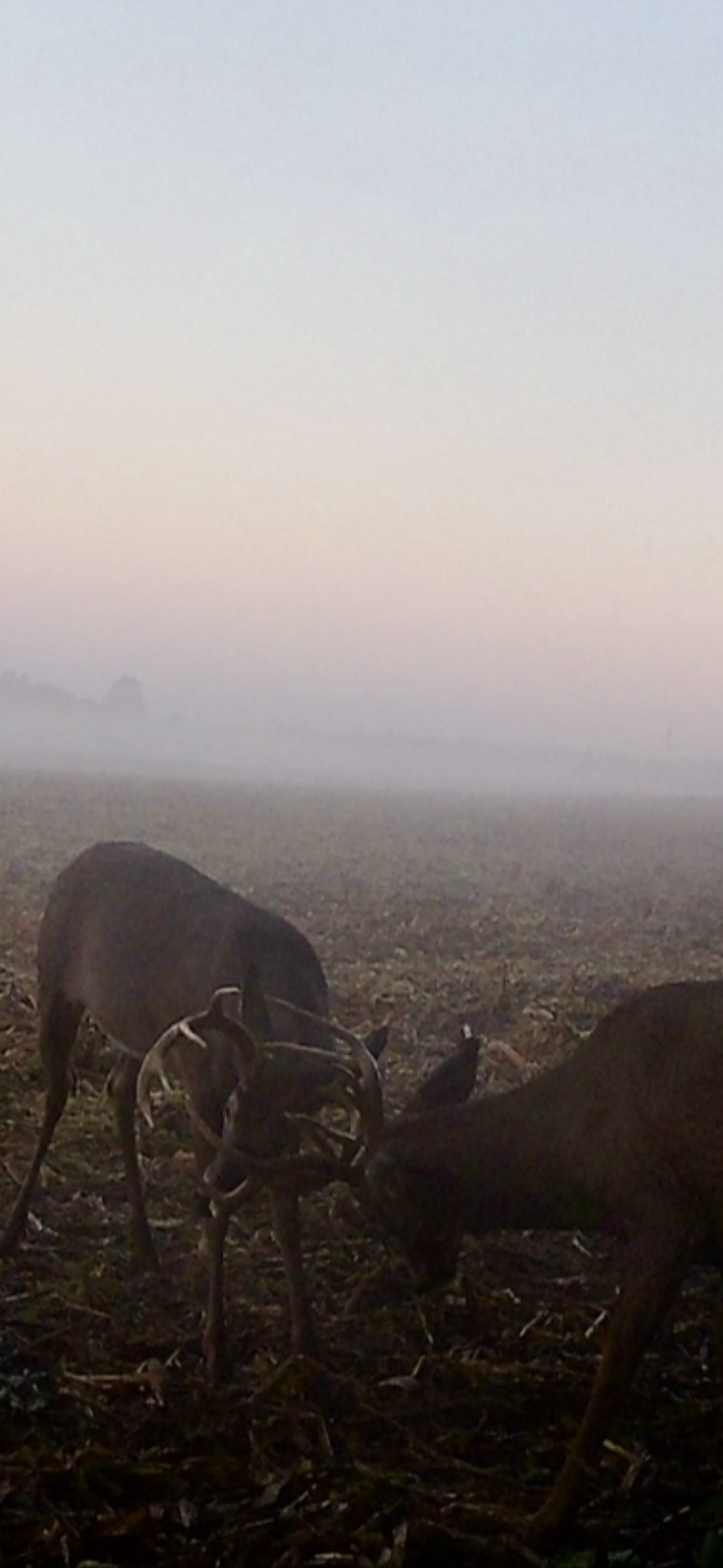
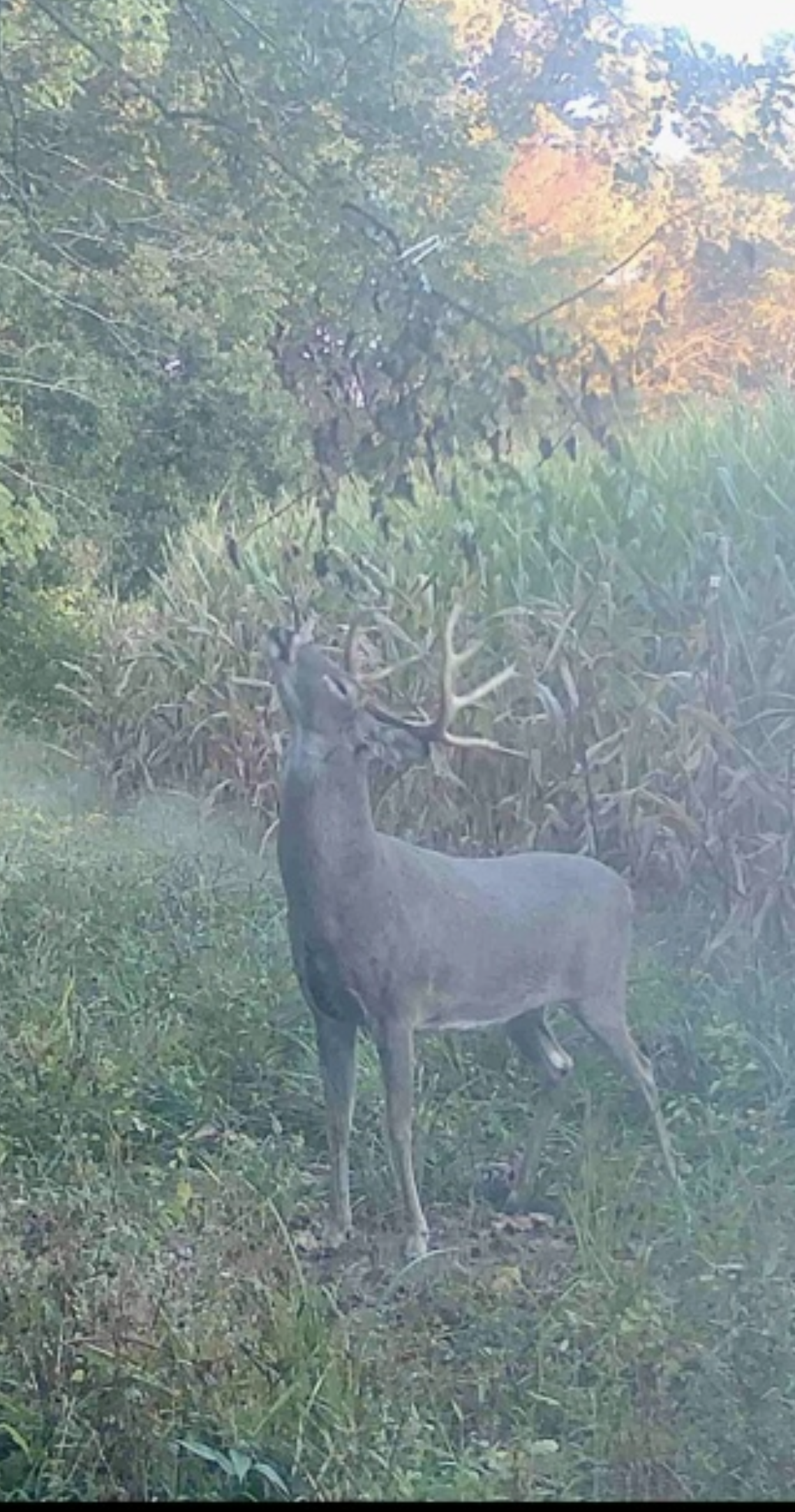
It’s October 5th, and if you’re reading this, I anticipate you’re pretty geared up. October 1st is fairly anticlimactic most seasons, but there’s still something about finally being able to get into the woods with a weapon in your hand.
A lot of really nice bucks have already fallen. Those first ten days of October can be really good if you have a mature buck patterned.
This season has been a little unique for me. I haven’t hunted yet, and I really don’t anticipate getting into the woods to target a buck for a little while.
I’m chasing a deer that is either six or seven years old—I can never decide if his first picture was as a really nice two-year-old or a three-year-old. Either way, his history is a big reason I haven’t been out yet.
If he holds true to his past habits, this particular deer spends almost all of his time from late October through the end of the season on the property I hunt. This summer, I got him on camera a lot less than I have in the past, and I suspect he has shifted just off our property. I expect that to change—or at least I’m hopeful it will—but right now I simply don’t have a good play on him.
So I’m hurrying up and waiting.
When Is the Right Time to Strike?
The answer is going to be different for everyone, and a lot of it depends on the type of property you hunt. I’m blessed to have several different properties to hunt, including one fairly large piece that allows me to be patient.
If you’re getting consistent pictures or visual observations of your target buck, by all means, now can absolutely be the time to go after him.
As I’m writing this here in Indiana, I think tonight might be one of our last good evenings for a little while to catch a mature buck on his feet during daylight. It appears we're heading into a stretch of above-average temperatures without much day-to-day weather change.
When we get those big air masses that settle in during early October, in my experience it usually slows down movement—or, more specifically, daylight movement from mature bucks.
So what am I looking for over the next 10–15 days?
First and foremost, I’ll be watching my cameras to see if my target buck slides back into an area where I can actually hunt him.
If he does, I’ll start looking for a front. If that front coincides with a red-moon window and I have a legitimate play on him, I’ll certainly consider making my move.
If those things don't line up—and especially if I don't have any recent pictures—I probably won't even make an attempt unless it's an observation sit where I might learn something without doing much damage.
That leads to one of my biggest beliefs when it comes to hunting mature whitetails:
Go with your most recent information.
Hunt the Information You Have
I hear hunters say that if you get a trail-camera picture, you're already too late because the buck was there yesterday.
There is some truth to that.
But during October, mature bucks can get into two-, three-, four- or even five-day patterns. If you get a picture of a buck doing something today, there's a decent chance he could do something similar again over the next few days.
Now combine that recent information with a weather front, favorable access, the right wind and possibly a red-moon window, and you've got the kind of situation I'm looking for.
There is certainly a time to lay back and wait. But if I know exactly where a mature buck is, have good information on what he's doing and have solid access that allows me to hunt him without him knowing I'm there, I'll take that opportunity every time over blindly hunting on a hunch later in the season.
Knowing where a big buck beds is some of the most crucial information you can have.
Does a mature buck bed in the exact same spot every day? Of course not. Most bucks have several preferred bedding locations depending on wind direction, foliage, food sources, pressure and other conditions.
But in my experience, there is a much better opportunity to pattern a mature buck during October than there will be once the season progresses and his priorities begin to change.
The possible exception is late December during a major cold blast, when bucks can become extremely predictable hitting the same food source day after day.
But I'll still take October.
First, he's still alive. December is a long way away.
Second, he's most likely far less pressured and keyed up than he will be later in the season.
Aggressive vs. Reckless
That's really what October hunting comes down to for me.
There is a difference between being aggressive and being reckless.
If things align, make the move.
If they don't, have the discipline to wait until they do.
And when you're waiting, don't fall into the mindset that everyone else is hunting and you're somehow losing ground. You're not losing. You're simply waiting for your best opportunity.
It's a long season.
But the right time is always the right time.
That could be tonight.
It could be the last few days of October.
Killing mature whitetails requires the balance of being aggressive when the information tells you to strike and having the discipline to wait when it doesn't.
Don't hunt because the calendar tells you it's time. Hunt when the buck, the conditions and the information tell you it's time.
And when they do—strike.